





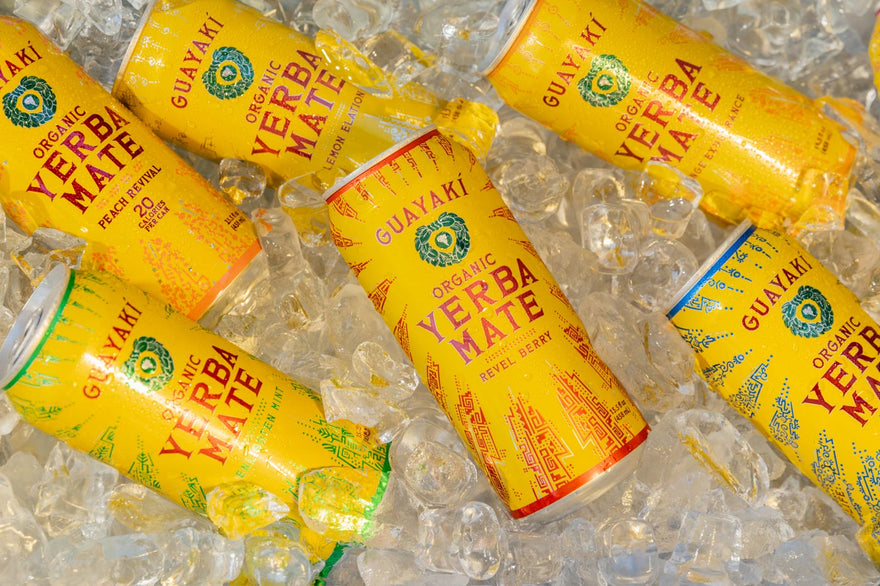
Together We Come To Life
Connect with the energizing power of yerba mate.

An Extraordinary Leaf
Brewed from the naturally caffeinated leaves of the yerba mate tree native to South America.
- Provides a smooth energy boost
- Can improve focus
- Yerba mate naturally contains a combination of caffeine (also found in coffee), theobromine (also found in chocolate) and polyphenols (also found in green tea).
Better for people and the planet
As a certified B Corp and registered Social Purpose Corporation, we source certified regenerative, organic, and fair trade ingredients that are better for people and the planet.




Yerba mate your way
From the traditional steeped leaves to vibrant sparkling drinks flavored with real fruit juice, we seek to delight every palate.
-
Cans
A variety of on-the-go blends of brewed yerba mate and organic fruit juices to enliven the day. Offered in both still and sparkling formats.

-
Brewed Yerba Mate
Vitalizing infusions of brewed yerba mate, complemented with nourishing herbs and organic fruit juices.

-
Loose Leaf & Mate Bags
Yerba mate in its purest form, ready to be steeped for the ultimate uplifting brew.


1/3
We began our journey in the mid-90s by sharing yerba mate culture across the USA. As a certified B Corp and registered Social Purpose Corporation, we continue to promote values of community, friendship, service, and environmental stewardship. And we’re only getting started.
Market Driven Regeneration™
We strive to go beyond sustainability. Since our inception, we’ve aimed to make a regenerative, netpositive impact on the planet and its people.
-

Regenerating our Planet
We take responsibility for our footprint throughout our operations and supply web, starting with supporting the regeneration of the priority ecosystems from which we source our key ingredients. Our focus areas include climate, water, waste and packaging, forests and biodiversity and regenerative agriculture.
-

Strengthening Communities
We support the livelihoods and well-being of the producers we source from, the communities where we work, and the customers who sustain us. Our focus areas include human rights, livelihoods and well-being, yerba mate culture, justice, equity, diversity, inclusion, product quality, health, nutrition and working conditions, health and safety.


1/2
Together We Come To Life
We’re building a movement from the ground up. Collaborate with us and help manifest a better world through yerba mate.
-

-

Our Blog
Learn more about all things yerba mate, see what our community is up to, and pick up some nifty recipes & DIYs along the way.
-

Careers
Join our team, committed to regenerative, net-positive impact on the planet and its people.


1/3
Yerba Matchmaker Quiz


1/4


